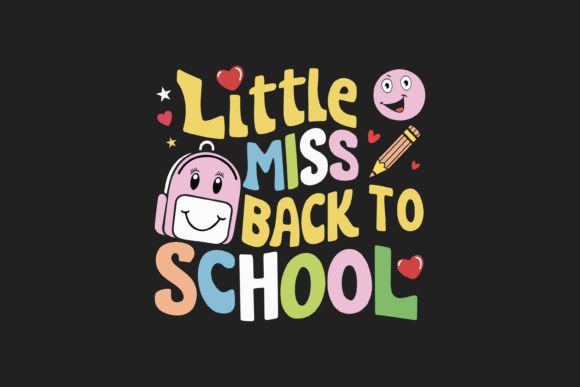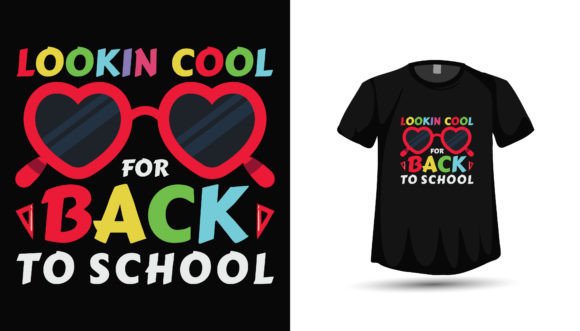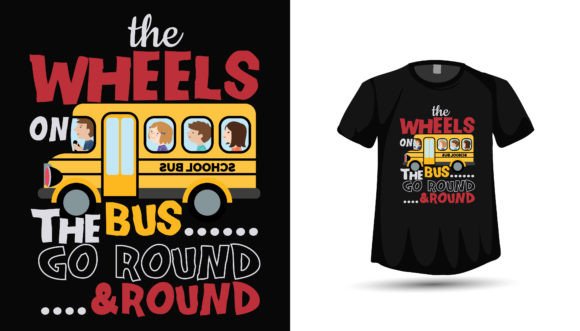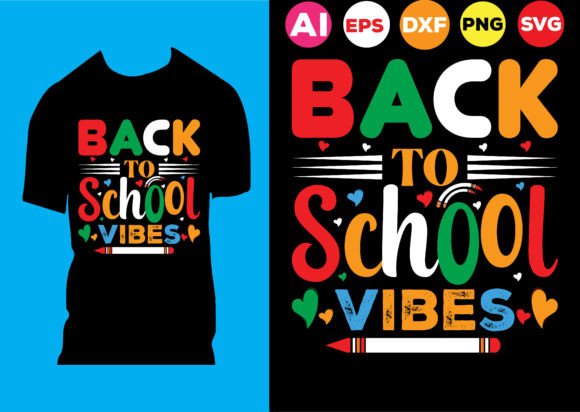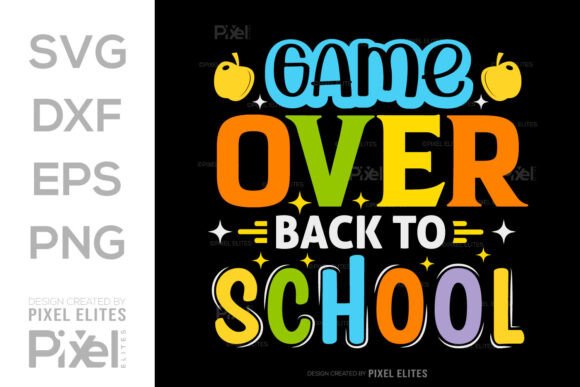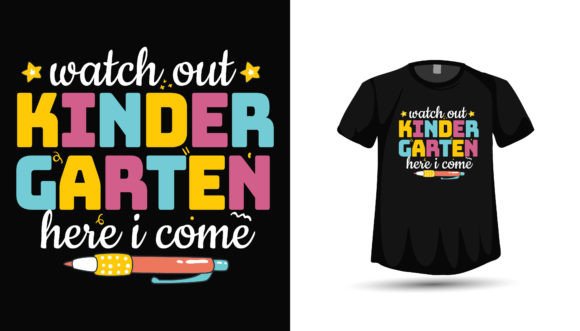
Back to School Tshirt Design Vector: Graphics for Real T-Shirt Designs
As a handmade business designer who’s shipped over 3,000 custom back-to-school products—from Cricut-cut iron-ons for teacher appreciation bundles to sublimated tumblers for local PTA events—I opened Back to School Tshirt Design Vector with high expectations and zero tolerance for “pretty but impractical.” What I found wasn’t just clipart—it was a versatile, well-structured graphic design asset built for real craft workflows.
A First Impression That Fits the Season—and Your Shop Aesthetic
The moment I loaded the SVG file into Cricut Design Space, I felt that familiar spark: clean lines, balanced negative space, and a warm, approachable energy—neither overly cutesy nor stiffly academic. It leans into playful elegance: think chalkboard textures paired with crisp sans serif lettering, subtle pencil sketch accents, and just enough whimsy (a tiny apple, a coiled notebook spiral) to signal “back to school” without shouting it. This isn’t a design for toddlers’ onesies—it’s perfect for middle-schoolers’ hoodies, teacher tote bags, and planner stickers sold in curated Etsy shops targeting organized, creative families.
Where This Graphic Design Asset Truly Shines
I tested Back to School Tshirt Design Vector across six real production channels—and here’s where it delivered:
- Cricut & Silhouette projects: The SVG layers are logically grouped and fully editable. I resized it from 2" for gift tags to 12" for tumbler wraps without jagged edges or collapsed paths—ideal for vinyl decals and iron-on transfers on both light and dark fabrics.
- Sticker design & printable products: The PNG version has flawless transparency and sharp 300 DPI resolution. I dropped it straight into my Canva sticker sheet template and printed peel-and-stick planner stickers on matte vinyl—zero bleed, crisp text, no pixelation.
- Mug design & tumbler wraps: When mirrored and scaled for sublimation, the contrast held up beautifully on white ceramic mugs and matte-finish tumblers. No color shift, no ghosting—just vibrant, shop-ready results.
- Handmade packaging & gift sets: I used simplified elements (the apple icon + “First Day” script) as foil-stamped accents on kraft thank-you cards and reusable cotton drawstring bags—elevating perceived value without extra design work.
- Seasonal craft bundles: Bundled with coordinating fonts and monochrome pattern swatches, this vector became the anchor for my August “Classroom Ready” digital product set—selling steadily to Etsy sellers building printable classroom resources.
- Small business branding: I adapted the core iconography into a minimalist logo lockup for my own shop’s back-to-school promo banners—proving its flexibility beyond single-use graphics.
Real Crafting Limits—And How to Work Around Them
This isn’t magic—it’s a tool. And like any tool, it has sweet spots and soft edges. Here’s what I learned after stress-testing it:
- Avoid ultra-small cuts: The fine pencil-line details don’t hold up below 1.25" on intricate vinyl cuts. For sticker sheets under 1", I simplified those strokes manually in Inkscape before exporting.
- Test contrast on dark substrates: While the black/dark gray variants print cleanly on white mugs and shirts, the lightest gray tones faded on navy fabric. I swapped them for solid black or added a subtle drop shadow in my mockup software.
- Layered vinyl needs planning: If you’re stacking colors (e.g., apple base + leaf overlay), confirm layer order in your SVG—some versions group by object, not layer priority. I reorganized mine before sending to my Silhouette Cameo 4.
- Don’t skip the commercial license check: Yes, the listing says “commercial use,” but I always verify the license file included matches my intended use—especially for print-on-demand platforms like Printful, where terms vary.
Practical Crafter Notes You’ll Actually Use
Here’s my pre-production checklist—refined from years of avoiding customer refunds and craft fair disasters:
- Preview transparency: Open the PNG in Photoshop or GIMP—not just your browser—to confirm no stray white pixels hide in the background.
- Test one SVG cut first: Run a single test on scrap vinyl or heat-transfer paper before loading your full mat. Watch how corners and curves register on your machine.
- Resize intentionally: Don’t stretch. Use “scale uniformly” in Cricut Design Space or Silhouette Studio. Distortion kills readability on small items like gift tags or enamel pin mockups.
- Pair fonts thoughtfully: The design’s clean geometry pairs best with friendly sans serifs (like Montserrat or Quicksand) for apparel, or delicate scripts (like Pacifico) for invitation designs and printable cards.
- Mock it before you market it: Drop the vector into realistic product mockups (I use Placeit and Smartmockups) before listing on Etsy. Customers buy the vibe—not the file.
- Confirm sublimation readiness: Check that all elements are vector-based or 300 DPI raster—no low-res JPEGs hiding in the download folder. Blurry text = instant refund requests.
Why This Belongs in Your Handmade Business Toolkit
Back to School Tshirt Design Vector isn’t just another seasonal clipart pack. It’s a time-tested, production-ready graphic design asset that bridges digital convenience and tactile craft integrity. Whether you’re prepping for a local craft fair, launching an August Etsy collection, or fulfilling custom orders for school staff, this design scales with your workflow—not against it. It works for t-shirt design, mug design, printable decoration, iron-on transfer, engraving, and more—because it was built with the constraints of real machines, real materials, and real customers in mind.
If you sell handmade products, run a creative marketplace shop, or design digital products for other makers, this is the kind of T-Shirt Designs asset that pays for itself in saved hours, fewer test prints, and higher perceived quality. Just remember: great design starts with smart prep—not just pretty pixels.